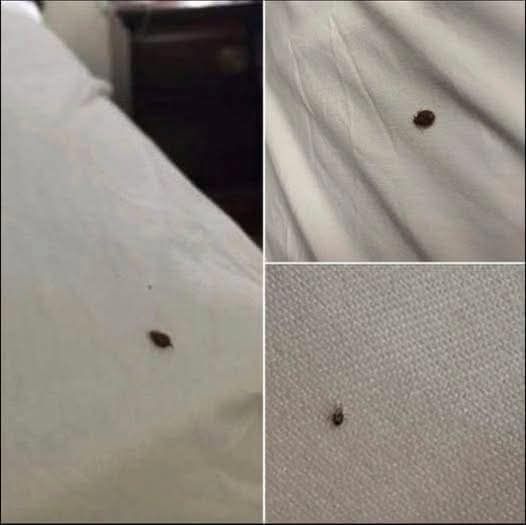
Discovering a tick in your home can be alarming. These tiny, blood-sucking parasites are more than just unpleasant—they can pose serious health risks to both humans and pets. Ticks are commonly found in wooded areas, tall grass, leaf litter, and bushy landscapes, but they can also hitch a ride into your living space through clothing, pets, firewood, or outdoor gear. Once inside, a tick may seek out a warm, hidden place to feed, making immediate action critical.
This comprehensive guide explains what to do if you find a tick in your home, how to remove it safely, how to check for an indoor infestation, and preventative steps to protect your family from future risk. Whether you’ve spotted a single tick or suspect more may be present, the following information will help you act quickly and correctly.
Ticks are known to transmit serious diseases that can affect both humans and animals. Their bites often go unnoticed because their saliva contains anesthetic compounds that numb the skin. This allows them to feed for hours—or even days—without detection.
Some of the most common tick-borne diseases include:
Perhaps the most widely recognized tick-borne illness, Lyme disease is caused by Borrelia burgdorferi, a bacteria carried primarily by black-legged ticks (deer ticks). Symptoms may include:
Fever and chills
Fatigue and muscle aches
Swollen lymph nodes
A characteristic bull’s-eye rash (erythema migrans)
If left untreated, Lyme disease can cause severe neurological, cardiac, and joint issues.
Transmitted by the American dog tick and the Rocky Mountain wood tick, this disease can become life-threatening without prompt treatment. Early symptoms include:
High fever
Severe headache
Rash
Nausea and vomiting
A rare but potentially serious disease spread by several tick species. It can cause fever, skin ulcers, and swollen lymph glands.
These bacterial infections cause flu-like symptoms and can be dangerous for children, older adults, and immunocompromised individuals.
Because of these potential risks, treating a tick discovery seriously—even if it’s just one—helps safeguard your household from future problems.
Whether the tick is crawling on your wall, on a rug, on your clothing, or already attached to skin, the steps you take next matter. Below is a detailed breakdown of what to do.
The first step is to inspect the tick carefully:
Dead ticks still pose some risk, as they can indicate that others may be nearby.
Live ticks should never be crushed with your bare hands because infectious bacteria can enter through small cuts or broken skin.
If the tick is moving, treat it as an immediate hazard.
To avoid any chance of contamination, use tools rather than bare hands. You can safely capture the tick using:
Fine-tipped tweezers
A piece of tape
A jar or sealed container
Disposable gloves
Once captured, keep the tick in a sealed bag or container in case medical professionals need to identify it later. Many healthcare providers, veterinarians, and local health departments perform tick identification to determine disease risk.
Ticks can cling to fibers, fabrics, cracks, and pet bedding. After removing the tick:
Clean hard surfaces with disinfectant or rubbing alcohol.
Vacuum carpets, rugs, and upholstered furniture thoroughly.
Dispose of the vacuum bag or empty the canister immediately and wash hands afterward.
Disinfecting reduces the chances of lingering ticks or eggs, even though most tick species do not lay eggs indoors.
Ticks rarely travel alone. Conduct a full-body tick check on:
Yourself
Children
Elderly family members
Everyone who was outdoors recently
Use bright lighting and pay special attention to areas where ticks hide easily, such as:
Scalp and hairline
Behind ears
Neck and collar area
Underarms
Waistline
Behind knees
Between fingers and toes
If you find an embedded tick on the skin, you must remove it immediately and correctly.
Pets often bring ticks into the home. Even if your dog or cat uses preventative medication, no method is 100% foolproof.
Check your pet for ticks by examining:
Ears (inside and behind)
Neck and collar area
Under the legs
Around the tail
Between paw pads
Chest and belly
If you find a tick attached to your pet, remove it properly using tweezers or a tick remover tool. Contact your veterinarian if the tick appears engorged or if your pet shows symptoms such as lethargy or loss of appetite.
If a tick is attached to human or animal skin, do not try home remedies like:
Burning the tick
Applying petroleum jelly
Twisting the tick
Using chemicals
These methods can force the tick to regurgitate infectious material into the bloodstream.
Follow these steps:
Use fine-tipped tweezers to grasp the tick as close to the skin as possible.
Pull upward with steady, even pressure.
Do not twist or jerk the tick.
Once removed, place the tick in alcohol or a sealed container.
Clean the bite area with soap and warm water.
Apply an antiseptic such as iodine or rubbing alcohol.
If a small part of the tick remains under the skin, it typically works its way out naturally, but you may consult a medical professional if irritation persists.
After a tick bite, monitor for signs of infection for at least 30 days. Contact a healthcare provider immediately if you notice:
Fever
Chills
Rash (especially a bull’s-eye pattern)
Muscle or joint pain
Fatigue
Severe headache
Taking the tick with you to the appointment can help with diagnosis.
Although most ticks do not thrive indoors long-term, some species—like the brown dog tick—can reproduce inside homes, especially in warm, dry environments.
Multiple ticks found in different areas of the home
Ticks appearing on walls, curtains, or bedding
Ticks found in pet sleeping areas
Pets showing frequent signs of itching
Baseboards and wall crevices
Under furniture
In carpets or rugs
Inside cracks in hardwood floors
Behind appliances
Pet beds and crates
If you find more than one tick in a short time frame, consider calling a pest control professional.
To eliminate any chance of ticks lingering in your home, follow this cleaning checklist:
Wash the following items:
Bedding
Blankets
Towels
Clothing worn outdoors
Pet bedding
Dry on high heat, as heat kills ticks quickly.
Vacuum:
Carpets
Upholstered furniture
Mattresses
Curtains
Baseboards
Dispose of vacuum contents immediately.
Heat above 130°F (54°C) kills ticks on contact. Steam clean rugs, upholstery, and pet areas if possible.
Consult your veterinarian for the safest tick preventatives, including:
Collars
Monthly spot-on treatments
Oral tablets
Tick shampoos
Prevention is the most effective way to avoid indoor tick problems. Implement the following long-term habits to keep ticks away.
Ticks thrive in overgrown vegetation. Keep your yard less inviting by:
Mowing the grass regularly
Removing leaf litter
Trimming bushes and shrubs
Clearing brush piles
Placing gravel or wood chips between your lawn and wooded areas
Keep patios, decks, and children’s play areas away from wooded regions.
You may use:
Professional pest treatments
Tick-repellent sprays
Diatomaceous earth
Natural cedar oil solutions
When hiking or gardening:
Wear long sleeves and pants
Tuck pants into socks
Choose light-colored clothes to spot ticks easily
Effective ingredients include:
DEET
Picaridin
IR3535
Oil of lemon eucalyptus
This is especially important after time in:
Forests
Tall grass
Parks
Trails
Farmlands
If you’re unsure whether the tick you found is part of a larger problem or you find multiple ticks around the home, contact a pest control company. Professionals can:
Identify the species
Determine infestation risk
Apply safe and targeted treatments
Recommend long-term prevention strategies
Additionally, seek immediate medical attention if:
You develop symptoms after a tick bite
You cannot safely remove a tick
The tick was attached for more than 24 hours
You’re pregnant or immunocompromised
Finding a tick in your home may feel unsettling, but taking quick and informed action can protect you, your family, and your pets from potential disease. By learning to identify ticks, remove them safely, clean your living space thoroughly, and implement strong prevention strategies, you minimize risks and maintain a safe, healthy home environment.
Being proactive—especially during peak tick season—helps ensure that one unexpected discovery doesn’t turn into a larger problem. With careful attention and consistent habits, you can keep ticks out of your living space and reduce the chances of encountering them again.
Imagine being in middle school, facing a predicament in front of a large audience.
This was the reality for a young band member from Illinois who encountered a mishap during a concert.
His recovery? Well, it’s a moment that has been replayed over 11 million times for a reason.
Band in school demands a great deal of hard work and commitment, and often involves performing in front of parents, teachers, and peers, which can be quite intimidating.
The incident in question took place at the EJH Red & White Concert.
The concert kicked off with the children preparing to perform our national anthem.
As it was announced over the microphone, everyone stood up and turned their attention towards the flag in a show of respect.
While most of them were seated, the cymbalist, along with a few others, stood front and center behind the flag.
Every now and then, the boy would strike his cymbals with a resounding crash.
They had practiced this routine countless times, so he knew exactly when to do so.
Suddenly, one of the cymbal’s handles broke off, and the instrument clattered loudly to the floor.
We can only imagine the panic he must have felt at that moment, his mind likely echoing with a resounding “Nooooo!”
The children standing next to him seemed to empathize with their classmate’s predicament.
Even as they continued to play their drums, they kept stealing glances in his direction, probably feeling relieved that they weren’t in his shoes.
After all, you can’t exactly play the cymbals with just one cymbal.
The boy slowly bent down and placed his remaining cymbal on the floor.
His eyes were as wide as saucers, but then it dawned on him what to do.
He saluted the American flag.
For the remainder of “The Star-Spangled Banner,” the cymbalist stood like a statue facing the flag, saluting it with respect.
While the female drummer next to him couldn’t contain her giggles, most other people applauded the middle-schooler for his patriotic gesture.
The clip quickly went viral after being posted online.
The “cymbal fail” elicited a wave of positive comments.
One man wrote, “Congrats kid, you handled that like a boss! Saluting the flag was exactly what you should have done.
All performers have moments like this.
Another person shared, “That kid has my respect. Even though it broke on him gotta give him props he was calm and acted like he knew what he was doing.”
What began as a potentially embarrassing situation turned into a moment that won the internet’s heart.
Please SHARE this with your friends and family.