A CONTROVERSIAL CELEBRITY OPINION
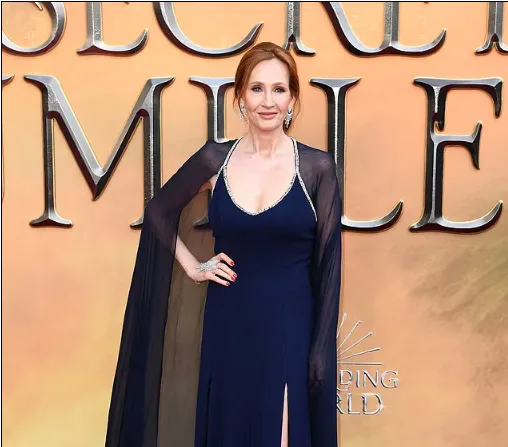
J.K. Rowling, the author behind the Harry Potter phenomenon, has once again drawn attention for her outspoken views on transgender issues. This time, the debate erupted after she criticized Glamour magazine for naming nine trans activists as its “Women of the Year 2025.”
Rowling accused the publication of “telling girls that men are better women than they are,” reigniting conversations around gender, identity, and representation.
HONORING TRANS ACTIVISTS
The Glamour awards, intended to celebrate “trailblazers, rule breakers, and champions,” included figures such as Munroe Bergdorf, Shon Faye, Bel Priestly, Mya Mehmi, and Dani St James. The magazine defended its decision, highlighting the honorees’ work empowering trans voices across fields including fashion, music, charity, and activism.
Munroe Bergdorf, a longtime advocate, made headlines previously for her statements on race and activism. She was the first trans model for L’Oreal but was dismissed after controversial comments. Despite past controversies, Bergdorf continues to champion trans rights, has advised the UK Labour Party, and published her book
Other awardees, like Dani St James, have focused on initiatives such as the “Protect the Dolls” campaign, raising awareness about trans women’s representation, safety, and social inclusion.
A DIVIDED REACTION
The announcement sparked heated discussions online, especially in the U.S., where debates over trans rights remain polarizing. Critics like Rowling emphasize traditional definitions of womanhood and the implications for female-only spaces. Supporters argue that visibility, representation, and equality for trans women are essential in modern society.
For many, this debate highlights the influence of celebrity opinions, the role of mainstream media in shaping cultural narratives, and the ongoing struggle for LGBTQ+ rights amid political and legal battles. Glamour’s decision underscores how fashion and pop culture platforms are increasingly acting as spaces for social activism — a move that inspires both admiration and controversy.
THE BIGGER PICTURE
Beyond the headlines, this event serves as a reminder of the ongoing cultural conversation around gender identity. It illustrates the tension between personal beliefs, public discourse, and the evolving understanding of what it means to be a woman in today’s world.
CARLSON’S ACCUSATIONS
After Tucker Carlson claimed the FBI lied about the Donald Trump assassination attempt, the agency responded directly. Carlson questioned the FBI’s statements regarding suspect Thomas Crooks, suggesting the bureau misrepresented his digital footprint. Crooks, charged with attempting to kill Trump at a July campaign rally in Butler, Pennsylvania, ultimately only struck the president’s ear but killed 50-year-old firefighter Corey Comperatore. A Secret Service sniper shot Crooks shortly after, while two others, David Dutch and James Copenhaver, were injured.
Carlson said, “The FBI told us Thomas Crooks tried to kill Donald Trump last summer, but somehow had no online footprint. The FBI lied, and we can prove it because we have his posts. The question is why?”
THE FBI RESPONDS
The FBI Rapid Response account pushed back immediately: “The FBI has never said Thomas Crooks had no online footprint. Ever.”
CARLSON DOUBLES DOWN
Carlson later shared a video he claimed the FBI, under director Kash Patel, had tried to hide. The footage, allegedly from Crooks’ Google Drive, showed shooting drills and suggested Crooks maintained multiple online personas and left YouTube comments. Carlson argued that this proved Crooks “was not some secretive lone wolf who never warned anyone that he was planning violence.” He added, “Thomas Crooks came within a quarter inch of destroying this country, and yet, a year and a half later, we still know almost nothing about him or why he did it.”
He accused the FBI of “hiding from the public what they know” and described Crooks as a “volatile, troubled, possibly mentally ill young man with a long record of espousing violence in public.” Carlson claimed the bureau “used a selective read of those comments to lie about what Thomas Crooks was thinking.”
THE FBI SETS THE RECORD STRAIGHT
On Friday, Patel released documents and statements that contradicted Carlson’s claims. On X, he wrote: “The investigation, conducted by over 480 FBI employees, revealed Crooks had limited online and in-person interactions, planned and conducted the attack alone, and did not leak or share his intent to engage in the attack with anyone.”
The bureau detailed its investigation, which included examining over 20 online accounts, data from more than a dozen electronic devices, numerous financial records, and over 1,000 interviews plus 2,000 public tips. Patel’s statement reinforced that Crooks acted independently and that the FBI had no record of him openly warning anyone about his intentions.