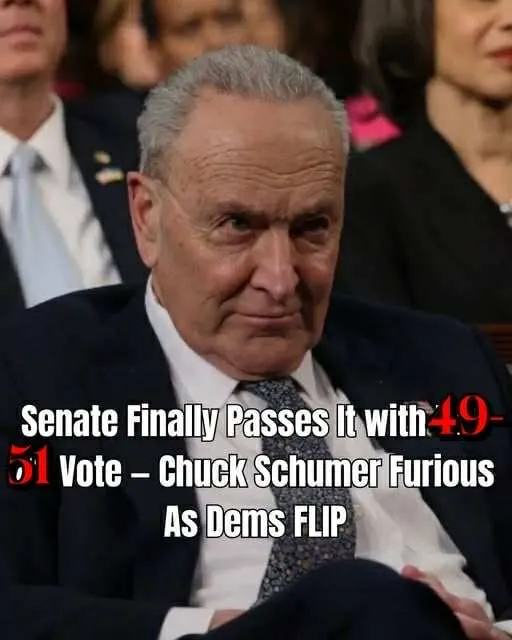
The U.S. Senate narrowly defeated a Democratic-led effort to restrict President Donald Trump’s authority to expand potential military operations against
Two Republican senators, Rand Paul of Kentucky and Lisa Murkowski of Alaska, joined Democrats in supporting the resolution. Both lawmakers have frequently expressed concern about executive overreach in matters of war and national security. Despite their defections, the measure fell short of the simple majority required for passage, handing a procedural victory to the White House and Senate Republican leadership.
The proposed legislation sought to reaffirm Congress’s constitutional role in authorizing military action. Democratic sponsors argued that escalating tensions with Venezuela demanded heightened oversight, particularly amid reports of increased U.S. intelligence and naval activity in the Caribbean. They contended that unchecked executive power could risk dragging the United States into another foreign conflict without a clear congressional mandate.
Republican leaders countered that the President already possesses the necessary authority to protect U.S. national interests and allies in the region. They emphasized that the administration’s actions toward Venezuela remain focused on deterring threats, enforcing sanctions, and pressuring President Nicolás Maduro’s regime to hold free and fair elections. Supporters of the administration said the resolution would have sent the wrong message to foreign adversaries at a time of geopolitical tension.
Following the vote, President Trump and senior officials celebrated the outcome as a validation of their approach to Latin American policy. The administration has maintained that all options remain “on the table” regarding Venezuela, though it has stopped short of confirming any imminent military deployments. White House aides reiterated that the goal remains diplomatic and economic pressure rather than open conflict.
Critics of the administration, however, expressed disappointment at the vote’s outcome. Several Democratic senators accused the President of seeking unchecked military latitude and warned that a lack of congressional oversight could lead to unintended consequences. Senator Tim Kaine of Virginia, one of the measure’s backers, said after the vote that Congress “must reclaim its war powers authority” to ensure accountability in future U.S. actions abroad.
The narrow result highlights the persistent struggle between Congress and the executive branch over war powers — a recurring debate that has spanned multiple administrations. While the immediate impact of the vote is limited, the issue is likely to resurface as the United States continues to balance its strategic interests in Latin America with broader concerns about military engagement and global stability.
BREAKING: Secretary of Defense Pete Hegseth has just CANCELED the US Department of Defense’s reliance on “cheap Chinese labor” for their cloud services, an Obama-era program.
Sec Hegseth: “Earlier this week, we were alerted to a potential vulnerability in our DoD computer systems, and we’ve been checking into it ever since. It turns out that some tech companies have been using cheap Chinese labor to assist with DoD cloud services. This is obviously unacceptable, especially in today’s digital threat environment.
Now, this was a legacy system created over a decade ago during the Obama administration. But we have to ensure that the digital systems that we use here at the Defense Department are ironclad and impenetrable.
And that’s why today I’m announcing that China will no longer have any involvement whatsoever in our cloud services effective immediately.
And at my direction, the Department will also initiate, as fast as we can, a two-week review—or faster—to make sure that what we uncovered isn’t happening anywhere else across the DoD.
We will continue to monitor and counter all threats to our military infrastructure and online networks. And I want to thank all those Americans out there in the media and elsewhere who raised this issue to our attention so we could address it.
And that’s why we’re talking to you today. As the President would say, thank you for your attention to this matter, and God bless our warfighters. I’m going to sign that memo right now, initiating that review.”