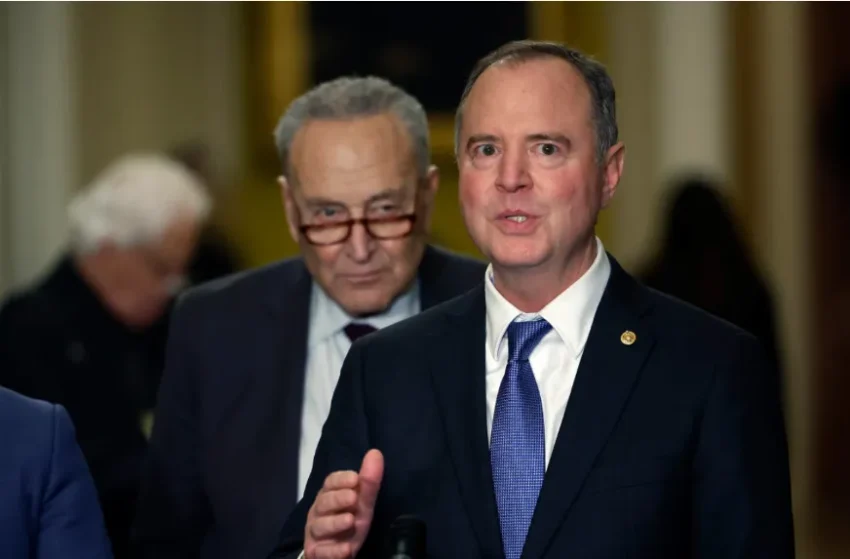
The explosive allegations center on claims made by a whistleblower who spent more than a decade working for Democrats on the House Intelligence Committee, providing them with unprecedented insider access to some of the most sensitive intelligence operations in American government. This individual’s extended tenure and deep institutional knowledge lend significant weight to their accusations while raising questions about why these allegations remained buried for years.
According to reporting by Just The News, the whistleblower began approaching FBI agents in 2017 with detailed accounts of systematic classified information leaking authorized by then-House Intelligence Committee ranking member Adam Schiff. The timing coincides with the height of the Trump-Russia investigation, when partisan tensions over intelligence matters reached fever pitch and congressional oversight became increasingly weaponized.
The whistleblower’s account describes a deliberate strategy orchestrated from the highest levels of Democratic committee leadership. According to their testimony to federal agents, Schiff allegedly declared during an all-staff meeting that “the group would leak classified information which was derogatory to President of the United States Donald J. Trump” and that these leaks “would be used to indict President Trump.”
This alleged statement represents far more than typical political maneuvering or strategic communications. If accurate, it describes a systematic plan to weaponize America’s most sensitive intelligence information for purely partisan political purposes, potentially compromising national security operations and intelligence sources in pursuit of political objectives.
The whistleblower’s account becomes even more damaging with their description of immediate objections to the proposed scheme. According to their testimony, they confronted Schiff directly about the plan, characterizing it as “unethical and possibly treasonous.” This contemporaneous objection, if substantiated, demonstrates that concerns about the legality and propriety of the scheme were raised immediately by knowledgeable insiders.
Perhaps most revealing was the alleged response to these objections. The whistleblower claims they were assured by committee colleagues that “we would not be caught leaking classified information,” suggesting not only knowledge of the illegal nature of the proposed activities but confidence in their ability to avoid accountability through political protection or institutional cover-up.
The whistleblower’s testimony includes particularly intriguing details about Schiff’s personal motivations and political ambitions that allegedly drove his willingness to engage in potentially illegal activities. According to the source, Schiff believed he had been promised the position of CIA Director if Hillary Clinton won the 2016 election, providing a personal stake in Trump’s political destruction that extended beyond partisan loyalty.
This alleged promise of high-level intelligence community leadership adds layers of complexity to understanding Schiff’s motivations and actions during the Trump-Russia investigation. If accurate, it suggests that Schiff’s aggressive pursuit of Trump may have been motivated not only by partisan opposition but by personal career ambitions that required Trump’s political destruction for fulfillment.
The CIA Director position represents the pinnacle of intelligence community leadership, providing control over America’s most sensitive foreign intelligence operations and access to the nation’s deepest secrets. The prospect of such a role could provide powerful motivation for taking extraordinary risks to ensure Trump’s electoral defeat and subsequent removal from office.
This personal dimension transforms the allegations from abstract questions about institutional abuse to concrete examples of how personal ambition and political calculation can corrupt intelligence oversight responsibilities. If substantiated, it would represent one of the most serious breaches of congressional ethics and national security protocols in modern American history.
The whistleblower’s account extends beyond Schiff to implicate other prominent Democratic figures in the alleged scheme. Representative Eric Swalwell of California was specifically identified as a likely conduit for the classified leaks, suggesting a coordinated network rather than individual misconduc