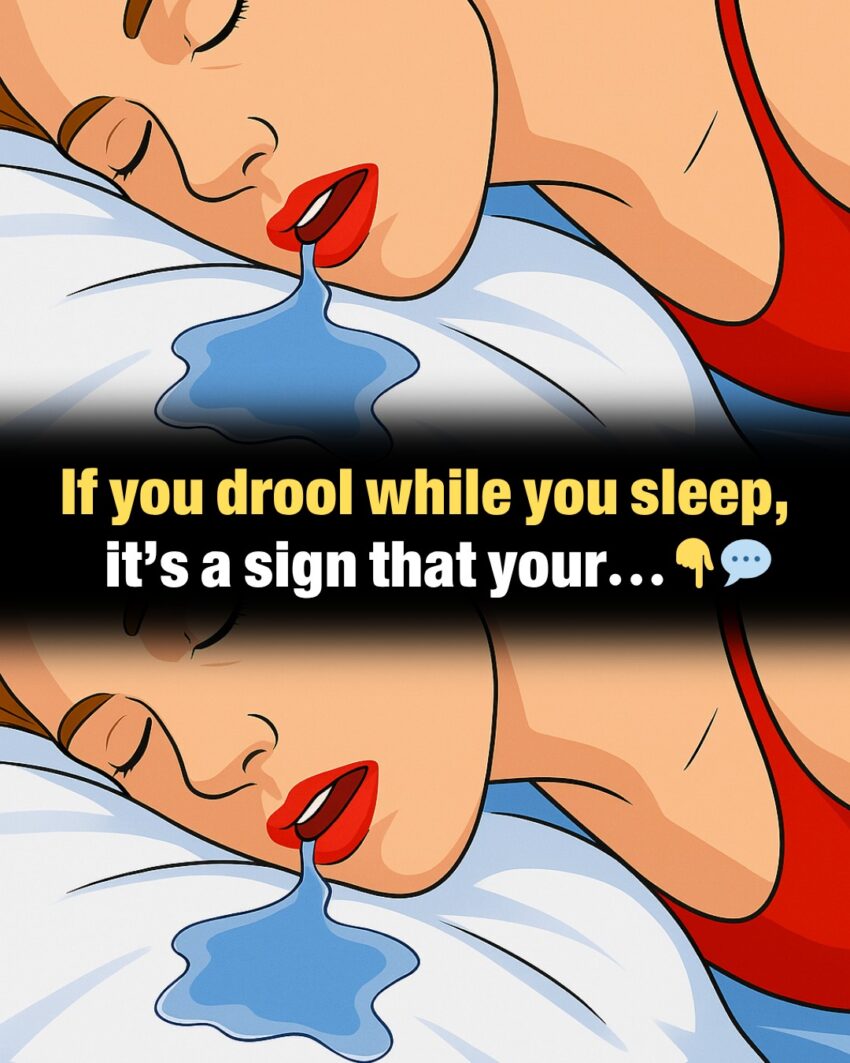
Drooling while you sleep (also called nocturnal sialorrhea) might seem harmless — many people think it’s just a sign of deep sleep — but frequent or excessive drooling can actually indicate an underlying
medical issue or imbalance.
Normally, your body still produces saliva at night, but you automatically swallow it even while sleeping.
Drooling occurs when:
Saliva production increases, or
Swallowing reflex decreases, or
You sleep in a position that allows saliva to leak from your mouth.
Occasional drooling is normal — especially when sleeping deeply or on your side — but if it happens often, it could signal a
medical issue.
When your nose is blocked from a cold, sinus infection, or allergies, you start
breathing through your mouth during sleep.
➡️ Mouth breathing keeps your lips open, and saliva pools and escapes.
Treatment:
Treat nasal congestion with saline sprays or steam inhalation.
Use a humidifier in dry rooms.
If allergies are the cause, avoid triggers and consider antihistamines (consult a doctor).
Acid reflux can irritate the esophagus and trigger excess saliva as a natural defense to neutralize acid.
➡️ You may drool more, especially at night if lying flat soon after eating.
Treatment & Prevention:
Avoid heavy or spicy meals before bed.
Elevate your head 10–15 cm when sleeping.
Eat small, early dinners (3 hours before bed).
Limit coffee, alcohol, citrus, and tomato products.
Seek medical advice if symptoms persist — proton pump inhibitors (PPIs) may be prescribed.
People with sleep apnea have interrupted breathing during sleep, which forces mouth breathing.
➡️ This dries the mouth but also leads to drooling as saliva escapes.
Other signs:
loud snoring, choking sounds, or daytime fatigue.
Treatment:
Weight management.
Avoid alcohol and sedatives before bed.
Use a CPAP machine or dental device prescribed by a sleep specialist.
Inflamed tonsils or throat swelling make swallowing painful or difficult.
➡️ The body produces saliva but you avoid swallowing, so it leaks out.
Treatment:
Gargle with warm salt water.
Stay hydrated and rest.
See a doctor if infection persists — antibiotics may be needed.
Conditions like Parkinson’s disease, stroke, Bell’s palsy, or amyotrophic lateral sclerosis (ALS)
can affect the
nerves and muscles that control swallowing.
➡️ Impaired muscle control causes saliva buildup and drooling, especially during sleep.
Treatment:
Medical management of the underlying neurological condition.
Speech or swallowing therapy can improve control.
In some cases, botulinum toxin (Botox) injections reduce saliva production under supervision.
Malocclusion (misaligned teeth/jaw) or ill-fitting dentures may prevent lips from closing completely, leading to drooling.
Treatment:
Consult a dentist or orthodontist.
Correct dental alignment or replace poorly fitting dentures.
Practice jaw relaxation and posture exercises.
Avoid sleeping on your stomach or side; these positions let saliva pool.
Sleep on your back to keep your mouth closed naturally.
Practice nasal breathing exercises during the day.
Treat chronic sinus or allergy problems that force mouth breathing.
Avoid chewing gum or sucking candies near bedtime.
Avoid foods that increase saliva (spicy or sour foods) before sleeping.
Stay hydrated; paradoxically, dehydration makes saliva thicker and more likely to leak.
If drooling is due to neurological causes, doctors may prescribe:
Anticholinergic drugs (reduce saliva production).
Botulinum toxin injections (temporary reduction in saliva glands).
These must be prescribed and supervised by a medical professional.
Therapists can teach exercises that strengthen jaw and throat muscles to improve saliva control.
Soft, easily digestible foods if throat is sore (soups, oatmeal, bananas).
Anti-inflammatory foods (ginger, turmeric, leafy greens).
Water and herbal teas to stay hydrated.
Foods rich in vitamin B complex and magnesium — they help nerve and muscle function.
Spicy, sour, or acidic foods (trigger saliva overproduction).
Alcohol and caffeine (dehydrate you and worsen reflux).
Smoking (irritates throat and nasal passages).
Eating too close to bedtime (increases reflux and drooling).
You should seek medical advice if:
Drooling happens every night or is worsening.
You have trouble swallowing, snoring, acid reflux, or facial weakness.
You wake up with a wet pillow almost daily or notice changes in speech/swallowing.
Persistent drooling is not normal and may reveal an underlying respiratory, digestive, or neurological condition that needs attention.