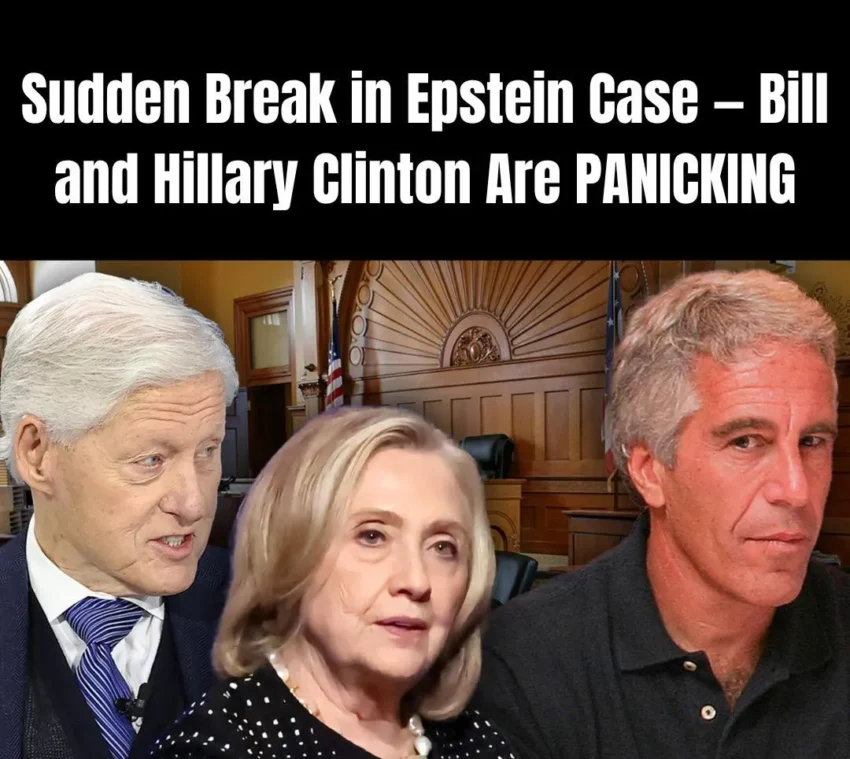
Oversight Chairman James Comer initiated the subpoenas as part of a comprehensive effort to reexamine the Justice Department’s oversight of Epstein over several decades. Comer has publicly stated that missteps by federal agencies may have allowed Epstein to avoid earlier accountability, despite mounting evidence and repeated allegations. The committee aims to explore whether investigators ignored leads, failed to pursue powerful individuals within Epstein’s orbit, or otherwise mishandled critical information. These concerns intensified following Epstein’s 2019 arrest on sex trafficking charges and his subsequent death in federal custody, which federal prosecutors ruled a suicide but which has remained a subject of public skepticism. Maxwell’s 2021 conviction further reignited interest in how federal authorities handled interconnected networks of influence, wealth, and abuse.
Bill Clinton’s association with Epstein has been a particular focus of political commentary and speculation. Visitor logs released in 2016 show Epstein visited the Clinton White House at least 17 times during the mid-1990s, and Epstein donated $10,000 to the White House Historical Association. Clinton has acknowledged taking several flights on Epstein’s private jet—later dubbed the “Lolita Express”—as part of his philanthropic initiatives. He has repeatedly denied ever traveling to Epstein’s private island in the U.S. Virgin Islands or having knowledge of any criminal behavior. In his 2024 memoir, he expressed regret for his involvement, saying he wishes he had never met Epstein and that the association generated years of unwarranted suspicion. These denials are expected to factor heavily into his eventual deposition, should it proceed.
In parallel, statements by Ghislaine Maxwell have added further complexity to public narratives about Epstein’s social network. In an interview with Deputy Attorney General Todd Blanche, Maxwell characterized her relationship with Bill Clinton as independent from Epstein’s. She claimed that Clinton was “her friend,” not Epstein’s, and insisted that he never visited Epstein’s island. Her comments underscore the tangled interpersonal relationships within Epstein’s circle and highlight the difficulty investigators face when attempting to draw lines between personal, professional, and illicit associations. Whether Maxwell’s statements will play a substantive role in the Oversight Committee’s inquiries remains unclear, but they are likely to arise when the Clintons appear for questioning.
The committee maintains that the Clintons are not accused of any criminal activity. Instead, their testimonies are expected to shed light on the extent of their interactions with Epstein and Maxwell, as well as whether they observed anything that might have raised concerns during or after Bill Clinton’s presidency. Comer has stressed that the American public deserves transparency regarding Epstein’s high-profile connections, including travel records, meeting logs, and personal ties. He has also suggested that federal agencies may have failed to pursue leads involving prominent individuals due to political pressure, institutional caution, or bureaucratic inertia. The bipartisan approval of the subpoenas reflects a shared congressional interest in understanding the broader failures that allowed Epstein to operate with impunity for so long.
Looking forward, the Oversight Committee has indicated that additional subpoenas may be forthcoming and that the investigation is far from complete. Comer emphasized that the inquiry aims to ensure accountability and prevent future failures in federal oversight systems. With the Clintons’ depositions still pending and numerous unanswered questions surrounding Epstein’s connections, financial dealings, and network of influential acquaintances, the investigation is likely to intensify. The committee’s conclusions could have implications not only for the historical record of the Epstein case but also for future oversight of federal law enforcement. Ultimately, the postponed testimonies underscore the continuing national effort to understand how one of the most notorious criminal networks of the last several decades operated—and why it took so long for authorities to intervene.
Washington, D.C. — Former national security adviser John Bolton has once again found himself at the center of a political and legal storm after federal agents searched his
According to officials familiar with the matter, the inquiry had largely gone quiet until recently, when intelligence agencies obtained fresh information through
At present, no charges have been filed, but sources indicate that investigators are reviewing whether Bolton improperly retained or transmitted classified information outside secure government systems.
Bolton served as President Donald Trump’s national security adviser from 2018 to 2019 before a highly public falling out. Shortly after his departure, Bolton published his memoir,
That earlier dispute laid the foundation for the current investigation, which has now been revived under Trump’s second administration. Intelligence officials reportedly traced certain intercepted emails and concluded they contained
Following the raids, FBI Director Kash Patel posted on social media: “NO ONE is above the law.” His deputy, Dan Bongino
, reinforced that stance, adding: “Public corruption will not be tolerated.”
Bolton, meanwhile, has retained high-profile defense attorney Abbe Lowell, known for representing public figures facing federal scrutiny. In a recent opinion column, Bolton briefly acknowledged the searches while continuing his criticism of Trump’s foreign policy decisions, particularly on Ukraine.
President Trump, speaking to reporters, made no effort to conceal his disdain: “I’m not a fan of John Bolton. He’s really sort of a lowlife. He is not a smart guy. But he could be a very unpatriotic guy. We’re going to find out.”
The raids have fueled sharp debate in Washington. Supporters of the investigation argue that mishandling classified material is a serious national security risk, especially if foreign intelligence agencies were aware of vulnerabilities. Critics, however, suggest the timing raises concerns about whether the Trump administration is using federal power to
Bolton’s reputation as a staunch critic of Trump has only heightened the scrutiny. Since leaving the White House, he has frequently voiced opposition to Trump’s foreign policy approach, often appearing in media outlets to argue for a tougher U.S. stance on adversaries like Iran, Russia, and North Korea.
The Justice Department has not said what items, if any, were seized during the searches, and court filings remain sealed. Analysts note that foreign intercepts rarely prompt such decisive action unless backed by corroborating evidence, suggesting investigators believe they have a strong foundation.
For now, Bolton’s legal team is preparing for the possibility of further action, while federal authorities weigh whether the case warrants indictment.
The outcome could set an important precedent for how aggressively the U.S. government pursues
Until then, Bolton — long known for his hawkish views on national security — finds himself on the defensive, caught in a high-profile case that blends questions of law, politics, and personal rivalry.