
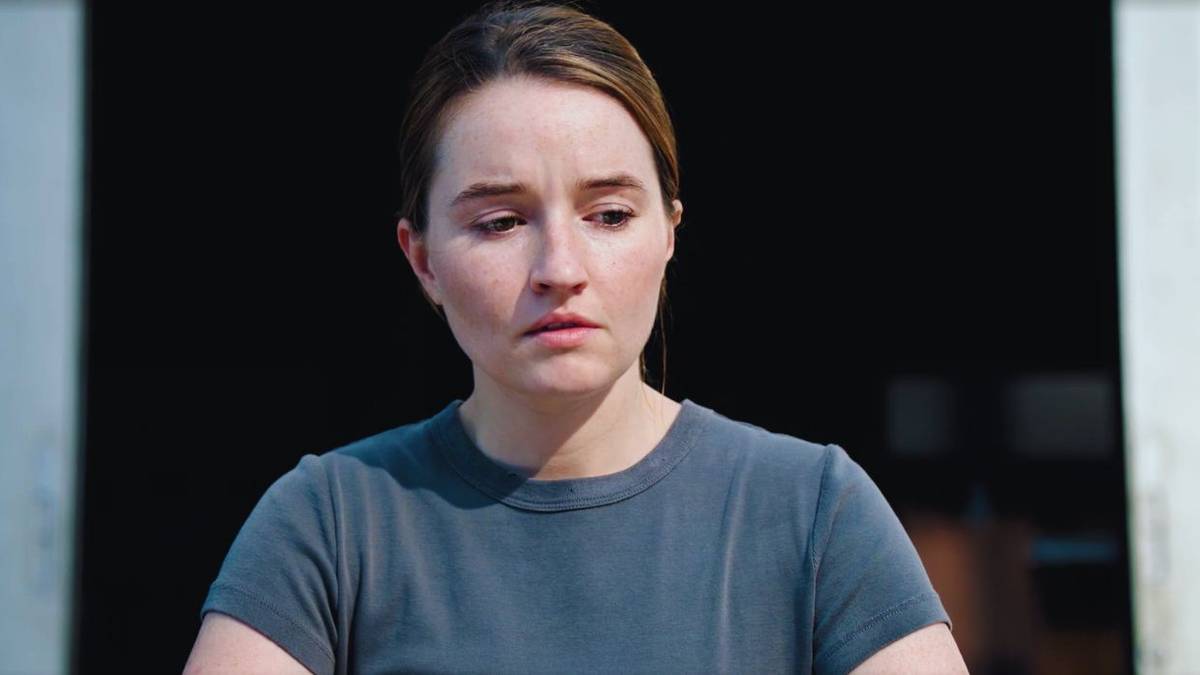
Warning! This article contains spoilers for The Last of Us Part II.
Somehow, The Last of Us managed to pull a Game of Thrones in just its second season. Critics and show-only viewers seem to still be enjoying it, but as a fan of the source material who’s used to a much better version of the story, I was very underwhelmed.
Neil Druckmann and Halley Gross, the original writers of the game, conspicuously left the writing staff of the TV series soon after the fan backlash to season 2. They both made diplomatic public statements about leaving the show to give more time and attention to other projects, but Druckmann specifically threw shade at season 2 in a recent interview.
Druckmann said, “My hope for season 3… is to make sure it’s as deeply faithful as season 1 was, because I feel like that is the gold standard for this kind of adaptation.
” He’s acknowledging that season 1 nailed it, which it did, but season 2 was a step down, which it was. But how can season 3 avoid season 2’s mistakes and recapture season 1’s greatness?
Making The Last of Us season 3 better than season 2 is a lot easier said than done. Craig Mazin has to actually figure out a way to turn this crazy, ambitious, groundbreaking video game into a TV show — and now, he has to do it alone.
He can make the TV show his own, of course, but it’s an adaptation above all. He can deviate from the source material like season 1 did, but he shouldn’t actively betray its themes and intentions like season 2 did.
Mazin can expand on interesting concepts that the game didn’t have time to explore, like Isaac’s mentorship of Abby and the rift in Owen and Mel’s relationship, but he shouldn’t go against what makes those dynamics compelling. Ellie being excited about becoming a dad completely deflates the tension; if she’s not worried about the baby or angry about the secret, then it flattens one of the game’s best twists.
The same thing will happen in season 3 if Owen is excited about raising a kid with Mel, and he’s not constantly taking off-site assignments to get away from her. Season 1’s Bill and Frank episode is one of the best episodes of television I’ve ever seen, and a perfect example of what this show can do that the games couldn’t.
In theory, the town council meeting where Jackson’s residents vote on whether to send a revenge party after Joel’s killers is a neat idea for a scene to give us a deeper insight into Jackson’s democratic process and get a wider range of perspectives. But in execution, it just became an excuse for Mazin to vocalize all the themes of the story before the story even got going.
One of the most egregious things that The Last of Us season 2 did was dumb down Ellie’s character. In the game, she’s blinded by vengeful rage, but she’s still a tactical genius. In the TV show, she sets off on a cross-country journey without medical supplies, she throws a tantrum when she doesn’t get her way, and she survives by sheer luck.
Mazin wrote 19-year-old Ellie to be just as immature and impulsive as 14-year-old Ellie; he can’t do the same to Abby. Abby is smart, resourceful, and has incredible courage under fire.
From a writing standpoint, The Last of Us season 3 needs to let subtext be a thing. Don’t just have every character tell the audience exactly how they’re feeling at any given moment. Trust the viewers to pick up on subtle cues in the actors’ body language or in the disingenuous things they say.
Leave some room for nuance. In season 2, Ellie and Jesse are always angry at each other — it’s not believable that they’re actually friends; they seem to despise each other. You need to allow for a more well-rounded dynamic.
Throughout Abby’s section of the game, Mel is disturbed by Abby’s actions and quickly growing resentful of her closeness with Owen, but that doesn’t mean they’re at each other’s throats in every single scene. There’s still room for them to joke around with each other and confide in each other, despite this undercurrent of growing resentment.
“We’ve got to be better, plain and simple. There’s no excuse for where we are right now. We need to hold ourselves accountable and make the necessary changes, because this isn’t acceptable.”
— Alex Tuch, Buffalo Sabres Forward
Buffalo Sabres fans, brace yourselves: change is coming. After yet another brutal defeat — a 5-2 loss to Utah followed by a 6-2 drubbing by the Colorado Avalanche — it’s clear that this team is nowhere near the contender they were supposed to be this season. And for fans who’ve waited 14 years for a playoff spot, the latest string of losses is a hard pill to swallow. With Buffalo’s record now at a dismal
Sabres in Crisis Mode: A Season on the Brink
The loss to the Avalanche capped off a disastrous five-game losing streak, with
The truth is, the Sabres have been in this situation for far too long. The fans are fed up, and even the players are starting to admit what’s been painfully obvious:
The End of the Line for Adams and Ruff?
At this point, there is no denying that accountability must fall on both
As Tuch stated, “There’s no excuse for where we are right now.” The Sabres have been left behind in a rapidly advancing NHL, and with another playoff-less season on the horizon, it’s time for ownership to act.
The Roster Shake-Up: Who’s Safe and Who’s Not?
But it’s not just the front office and coaching staff that needs to change. With this current Sabres team showing no signs of getting it together, nearly every player on the roster is at risk. Tage Thompson and Rasmus Dahlin are the clear exceptions, both standing out as cornerstones of the franchise. But for everyone else, it’s now or never. No one’s job is safe, especially after this latest stretch of embarrassment.
The Sabres need to shed their past — and that means moving out players who aren’t contributing to the rebuild. It’s a painful reality, but every player needs to be held accountable for this team’s continued failure. It’s no longer about potential or promises — it’s about delivering results, and if you’re not part of the solution, you’ll be part of the problem.
Buffalo’s Road to Redemption: How to Fix the Sabres?
So, what now for Buffalo? The road to redemption starts with tough decisions. Kevyn Adams will need to make bold moves to reshape the roster, bringing in fresh talent to bolster the lineup. The Sabres’ defense needs a complete overhaul, and the goaltending situation is looking more desperate by the day. The team can no longer afford to let mediocrity slip by — it’s time to build a playoff-caliber team, and the clock is ticking.
This won’t be an easy fix, but with the right moves, Buffalo could finally start to dig itself out of this hole. The fans deserve a competitive team, and the Sabres owe it to themselves to deliver.
Can the Sabres Turn It Around?
There’s no sugar-coating it — the Sabres’ current path is not sustainable. Another year of misery for Buffalo fans will simply not do. As the Sabres face the harsh reality of their worst season in recent memory, one thing is clear: the status quo cannot continue. The front office and coaching staff need to make bold, immediate changes. The future of the Buffalo Sabres depends on it.
The time for change is now — and for the first time in years, it feels like the Sabres have no choice but to start fresh.